How to standardize website design? Three-layer model, two sets of official standards and an acceptance checklist
Views: 35
2026-10-09





Many companies are simultaneously deploying online digital positions, but the operational results with the same investment are obviously polarized. Some companies use standardized and refined website development plans to achieve stable website inclusion, continuous increase in traffic, and efficient conversion of inquiries; while most companies only build simple pages, and website development is superficial. After going online, problems such as abnormal inclusion, stagnant weight, and scarcity of traffic frequently occur, and the official website has never been able to exert commercial value. The essence of the industry gap is not that competition for online traffic has intensified, but that most companies have cognitive biases towards website development, equating it with basic page assembly and ignoring the core values of architecture optimization and scene adaptation.
Many companies are simultaneously deploying online digital positions, but the operational results with the same investment are obviously polarized. Some companies use standardized and refined website development plans to achieve stable website inclusion, continuous increase in traffic, and efficient conversion of inquiries; while most companies only build simple pages, and website development is superficial. After going online, problems such as abnormal inclusion, stagnant weight, and scarcity of traffic frequently occur, and the official website has never been able to exert commercial value. The essence of the industry gap is not that competition for online traffic has intensified, but that most companies have cognitive biases towards website development, equating it with basic page assembly and ignoring the core values of architecture optimization and scene adaptation.

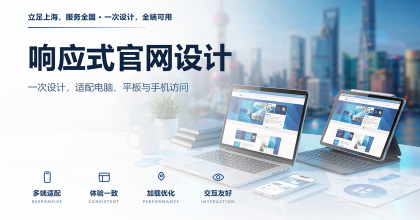
Customized construction that fits the corporate business scenario is a modernWeb DevelopmentThe core core value is also the key for enterprises to get rid of online homogeneity. At present, template-based construction models are rampant. Fixed code structures and single functional modules cannot adapt to the business logic and user needs of different industries, making it difficult to create a differentiated online image. Professional website development will be based on the company's industry attributes, customer groups and business goals, and specifically design website functions, page logic and interaction systems. At the implementation level, by optimizing terminal adaptation effects, simplifying user browsing and consultation paths, and building exclusive business display modules, the website not only has a smooth user experience, but also accurately matches business customer acquisition needs, effectively reduces user bounce rates, and lays a solid foundation for traffic conversion.
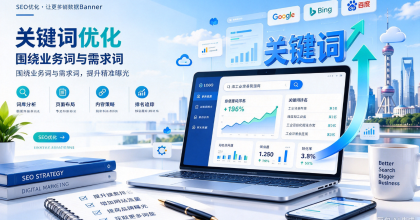
The underlying structure of the website determines the upper limit of ranking, which isWeb DevelopmentThe core principle that determines the long-term traffic of the site in the process is also the core factor that enhances the company's online competitiveness. Many website operations run into bottlenecks, not because of insufficient post-maintenance, but because of underlying loopholes left during the website development phase. Search engines have fixed rules for inclusion and crawling, weight distribution, and ranking push. The chaotic crawler crawling mechanism, messy site-wide links, non-standard TDK layout, and disordered keyword segmentation arrangement will cause serious internal friction within the site, resulting in page weights canceling each other out, and high-quality content unable to be identified and included. In actual implementation, professional website development will give priority to polishing the underlying structure, sorting out the site hierarchy, standardizing internal and external links, accurately laying out the keyword system, cleaning up redundant codes and duplicate pages, completely eliminating the internal consumption of resources within the site, and broadening the website's traffic growth space from the source.
high qualityWeb Development, it is necessary to achieve two-way collaboration between user experience and technical architecture. Only focusing on page visuals and functional construction without compliant underlying technical support, the website can only achieve basic display and cannot obtain natural search traffic; only polishing the technical structure but ignoring experience optimization, the site will have difficulty in receiving traffic and completing business transformation. Mature development logic takes into account both directions, retains visitors with refined experience, handles traffic with a standardized architecture, and builds a complete closed loop of online customer acquisition.
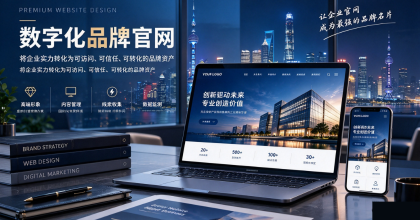
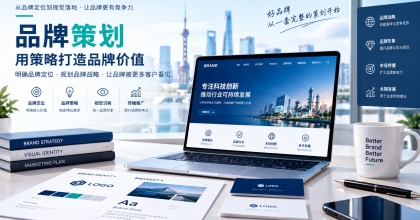
Enterprise digital competition has entered a refined stage, and the extensive website building model has long been unable to adapt to long-term development needs. Professional and systematic website development can balance brand display, user experience and search optimization, help companies escape from homogenization, and allow the official website to continue to accumulate digital assets and become a stable core position for online customer acquisition and brand communication.